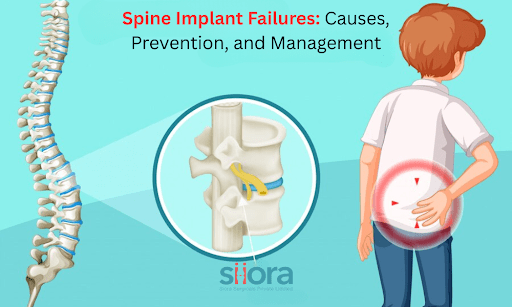
Spine devices have transformed the way spinal conditions are treated. From stabilizing fractured vertebrae to correcting deformities and relieving nerve compression, these medical devices can be life-changing. However, like any medical intervention, they’re not immune to complications. Spine implants failure, though not common, can have serious consequences. Understanding its causes, ways to prevent it, and strategies for effective management is crucial for both patients and healthcare providers.
What Causes Spine Implant Failures?
There’s no single reason why a spine implant might fail. Often, it’s a combination of factors, including:
Mechanical Issues
Implants are designed to bear a load, and over time, wear and tear can compromise their integrity. Screws can loosen, rods may break, or the implant might shift from its intended position.
Poor Bone Quality
In patients with osteoporosis or other bone-weakening conditions, the implant may not anchor well, leading to instability and eventual failure.
Infection
Post-operative infections can weaken the surgical site and compromise the implant’s integration with bone. Infections also increase inflammation, which can damage surrounding tissue.
Surgical Error
Precise placement of the implant is critical. If it’s placed incorrectly or if there’s an oversight during the surgery, complications are more likely.
Body’s Response
In some cases, the body may reject the implant or respond with excessive scar tissue, leading to pain and reduced function.
Can Spine Implant Failures Be Prevented?
Although it’s impossible to prevent every failure, certain steps can greatly minimize the risk:
Pre-surgical Planning
Thorough diagnostics and surgical planning help ensure the right implant is chosen and positioned correctly.
Surgeon Expertise
Working with a skilled, experienced spinal surgeon is key. Their knowledge can make a substantial difference in both the success rate and recovery experience.
Bone Health Optimization
Managing osteoporosis, vitamin D deficiency, or other conditions that affect bone density before surgery is vital.
Infection Control
Hospitals follow strict sterilization protocols, but patients also play a role—following post-op care instructions can reduce infection risks.
Lifestyle Adjustments
Quitting smoking, eating a nutrient-rich diet, and avoiding risky activities post-surgery can improve healing and implant longevity.
How Are Failures Managed?
If a spine implant does fail, treatment depends on the underlying cause and the severity of symptoms.
Non-Surgical Options
In minor cases, physical therapy, pain management, and close monitoring may be sufficient.
Revision Surgery
Revision surgery may be necessary for more serious failures. This process includes taking out or replacing the damaged implant, realigning the spine, and treating any underlying problems such as infection or bone deterioration.
Rehabilitation
Post-surgical rehab is essential for regaining mobility, strength, and function. A personalized recovery plan ensures better long-term outcomes.
Spine implant failure is undoubtedly a serious issue, but it doesn’t mean the journey is over. Patients can still achieve meaningful recovery and improved quality of life with proper care, informed decisions, and the right medical support. Open communication with your surgeon and proactive follow-up care are your best tools for navigating this complex journey.
Explore the newer and improved range of Spine Implants, CMF implants, and other trauma implants by Siora Surgicals Pvt. Ltd. at booth X21 at the FIME Show 2025.
 Site Title