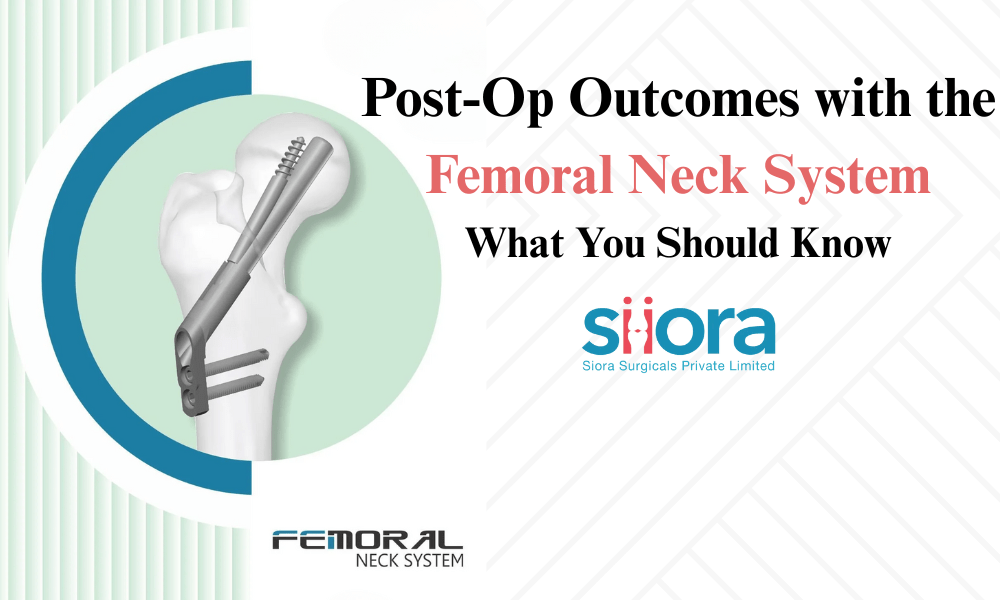
If you or someone you care about has been told they need surgery for a femoral neck fracture, you’ve likely heard of the Femoral Neck System (FNS). This newer approach is gaining attention in orthopedic circles, and for good reason. But what does it mean for life after surgery? Let’s have a look.
What Is the Femoral Neck System?
The FNS is a surgical implant used to treat fractures in the neck of the femur—the area just below the ball of the hip joint. These injuries are especially common in older adults after a fall, though younger people can experience them through high-impact trauma.
Unlike traditional methods like multiple cannulated screws or dynamic hip screws, the FNS is designed to provide more stable fixation while being minimally invasive. In short, it holds the broken bone pieces together so they can heal, but it does it in a way that respects the natural anatomy and blood supply of the hip.
How Does It Affect Post-Op Recovery?
Now to the real question: What should you expect after surgery?
Faster Healing, But Don’t Rush It
Clinical data suggests that patients treated with the Femoral Neck System may heal faster compared to older fixation techniques. The system is designed to reduce micro-movement at the fracture site, which helps the bone knit together more efficiently. However, faster healing doesn’t mean instant recovery. Bone healing still takes time, typically around 8 to 12 weeks for most patients.
Early Weight Bearing Is Often Possible
One of the standout benefits of the FNS is that it may allow for early weight-bearing, depending on the patient’s condition and the surgeon’s judgment. This is a big deal. Getting back on your feet sooner can help prevent complications like blood clots, pneumonia, and muscle wasting. It also boosts morale and independence.
Pain Levels Tend to Be Lower
Thanks to its minimally invasive design, the FNS generally causes less soft tissue damage during surgery. That often translates into reduced post-op pain and a shorter hospital stay. Patients commonly report less discomfort compared to older methods, though everyone’s pain tolerance and healing speed are different.
Fewer Reoperations, But Not Zero Risk
No surgical implant is perfect, but studies show that the FNS has a lower reoperation rate than some traditional approaches. That’s largely because the system maintains better alignment of the fracture and provides strong fixation. Still, complications can happen—like implant failure, non-union, or avascular necrosis. These risks are lower with the FNS, but not completely gone.
Physical Therapy Is Non-Negotiable
The surgery is just the start. Rehabilitation plays a massive role in recovery. Whether you’re walking with a walker or just starting leg lifts in bed, the goal is to build back strength and mobility without stressing the healing bone. Most patients work with a physical therapist for several weeks, often starting in the hospital and continuing at home or in outpatient sessions.
Who Benefits Most from the FNS?
This system isn’t a one-size-fits-all solution. It’s often recommended for non-displaced or minimally displaced femoral neck fractures, especially in younger or more active patients. Older adults with good bone quality can also be strong candidates. The key is a stable fracture pattern and good overall health status.
Final Thoughts
The Femoral Neck System offers a modern, reliable option for treating hip fractures. Its design helps reduce pain, promote healing, and lower the risk of reoperation, all of which can make a big difference in your recovery journey. Still, outcomes depend on more than the trauma implant alone. Your age, health, the skill of the surgical team, and your commitment to rehab all matter.
If you’re weighing your options or prepping for surgery, talk openly with your orthopedic surgeon. Ask about the pros, cons, and whether the FNS is right for your specific situation. In the end, knowledge and preparation can make all the difference in how you heal.
 Site Title