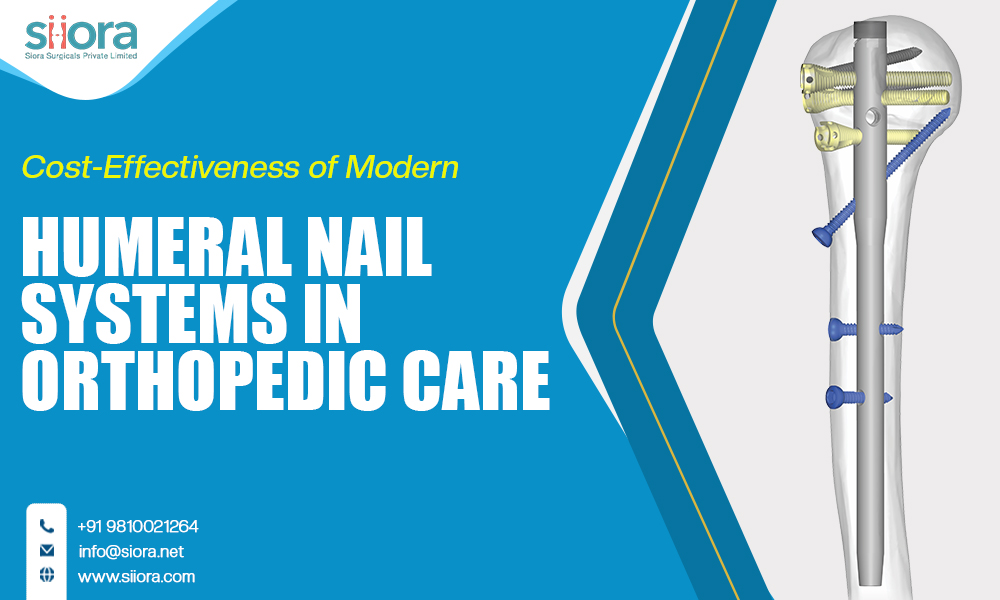
When it comes to treating broken bones in the upper arm, modern humeral nail systems have quietly changed the game. These newer devices have made surgeries easier for doctors and recovery smoother for patients. But beyond all the medical jargon and technical details, it’s worth asking: are these advanced nails really worth the cost?
How do These Nails Help Patients?
Think about it this way: instead of a big open surgery, these nails can often be placed through small cuts, which means less pain and quicker healing. Patients usually spend less time in the hospital and can get back to their normal activities sooner. For most people, this faster recovery makes all the difference—not just physically but mentally as well.
What Do These Nails Cost?
At first glance, it’s true that these nails might cost more than other treatments like braces or traditional plates. But the upfront price is only part of the story. When you factor in things like shorter hospital stays, fewer follow-up surgeries, and less time off work, the overall costs tend to balance out. In the long run, many patients and hospitals actually save money.
- Initial Expense: Yes, these nails are often pricier upfront. But they often avoid costly complications later on.
- Hospital Stay: Generally, patients treated with these nails leave the hospital sooner.
- Avoiding Problems: Advanced designs reduce the risk of infections or bones healing wrong, meaning less chance of having to go back for another surgery.
Comparing Options
Not every broken arm needs a nail. Simple fractures often heal well with a brace, which is cheaper and less invasive. But when the break is severe or the patient wants to regain strength as quickly as possible, modern humeral nails shine. Doctors look at each case carefully and choose the best option, keeping both the patient’s health and finances in mind.
Reaching More People
Good news is that these nails are becoming available in more and more places, even smaller hospitals and clinics. Training and support from device makers are helping doctors everywhere use these modern tools. Plus, researchers are working on nails that eventually dissolve in the body—meaning no need for future removal surgeries.
The Bottom Line
While they might cost more up front, modern humeral nails often end up saving money, time, and a lot of extra pain. For patients with tough breaks, these trauma implants offer a smarter, kinder way to heal. With technology constantly improving, these systems are set to become an even better choice in the years ahead.
 Site Title